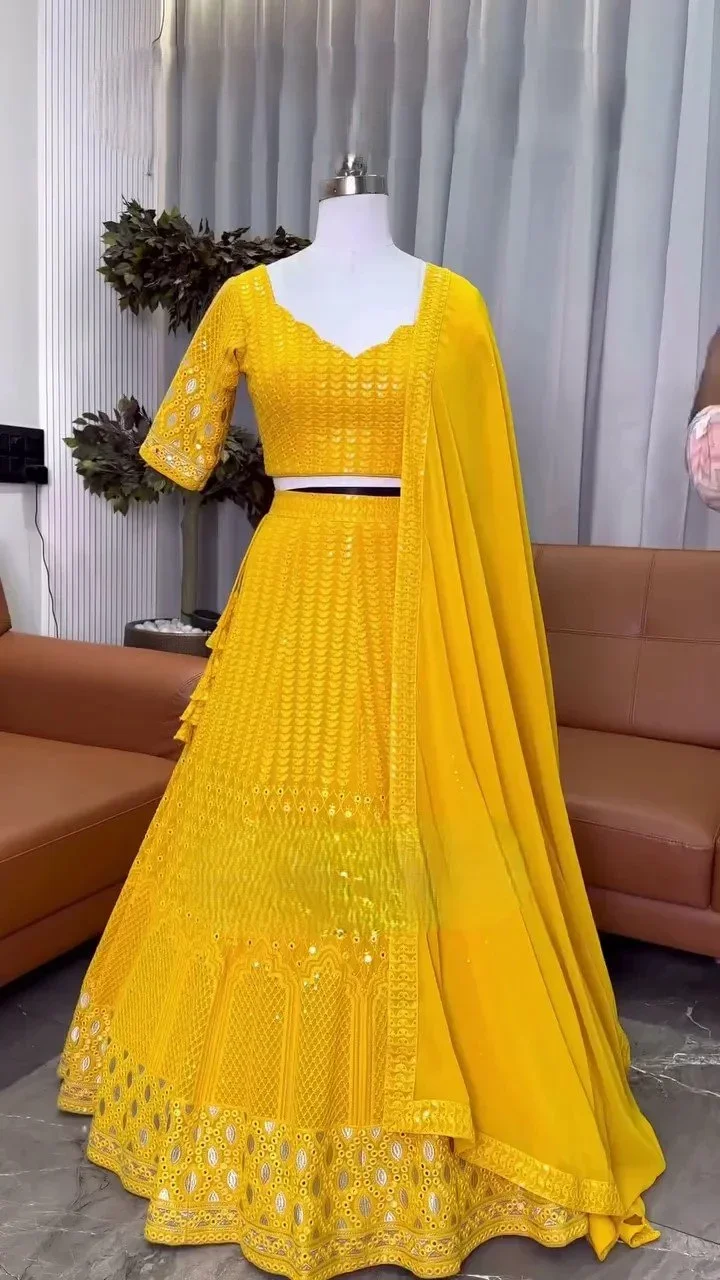


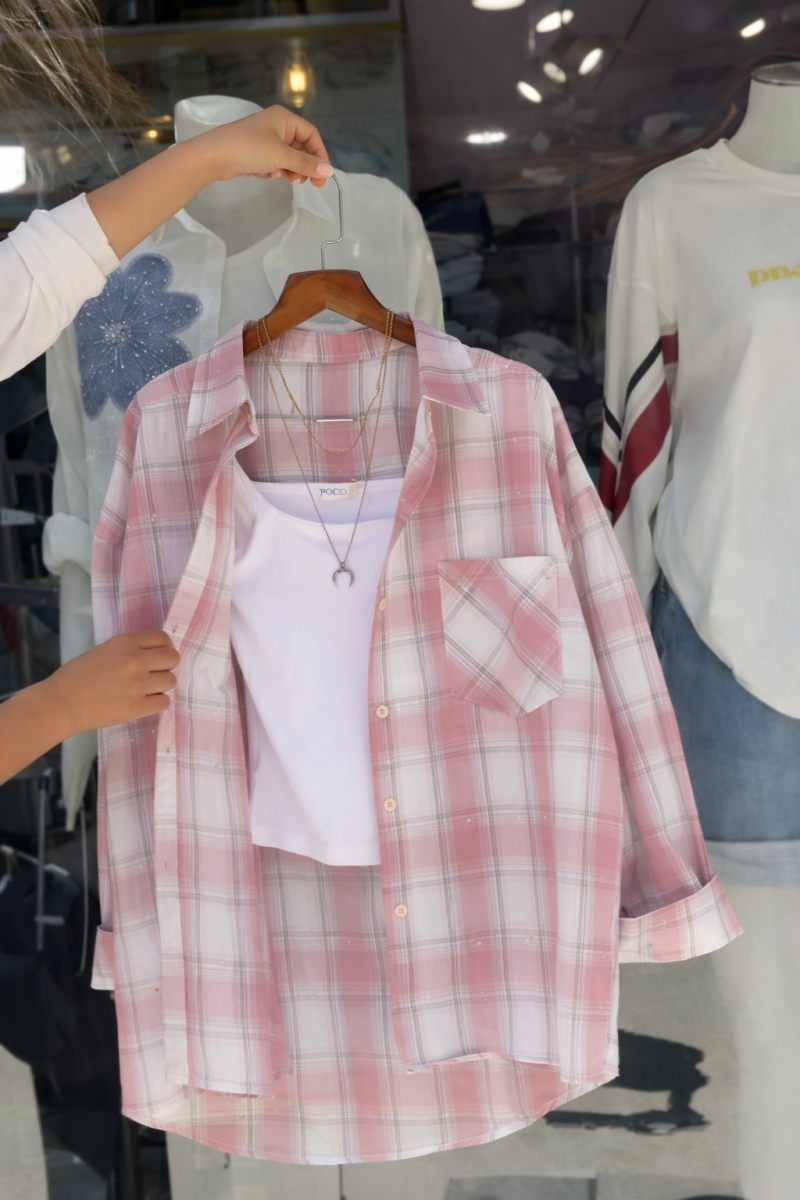
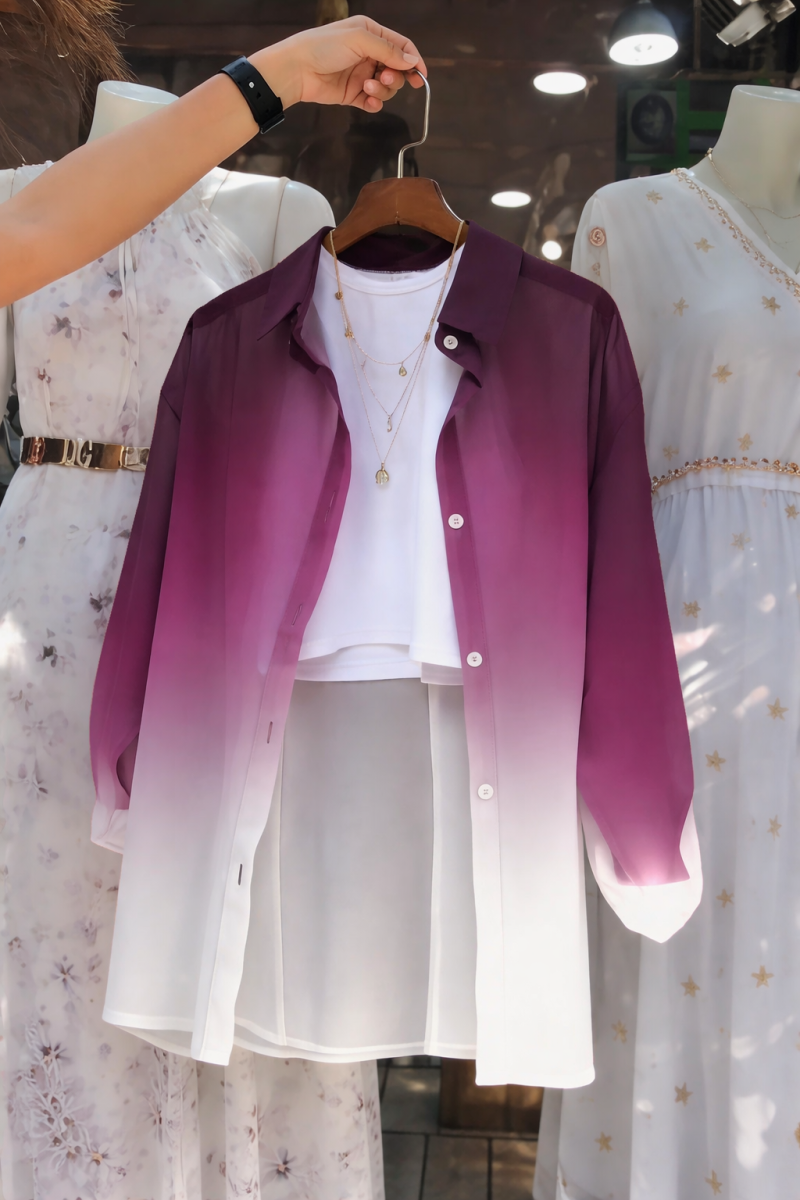

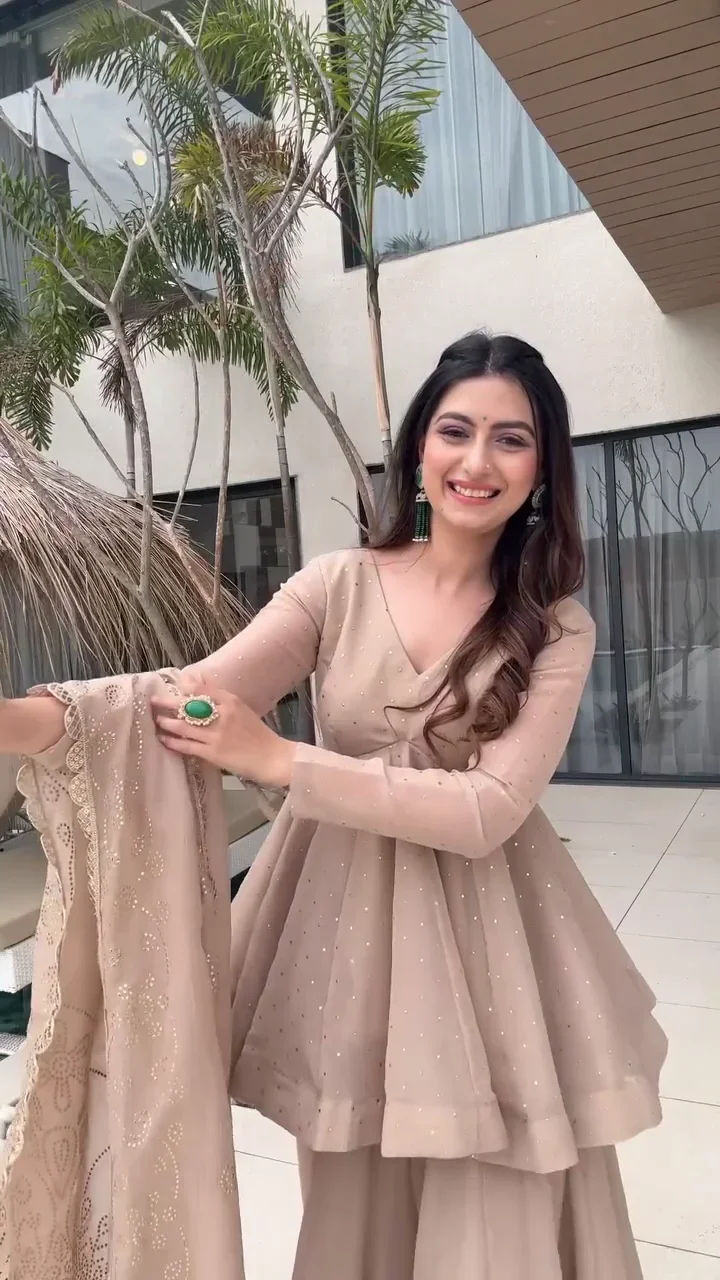
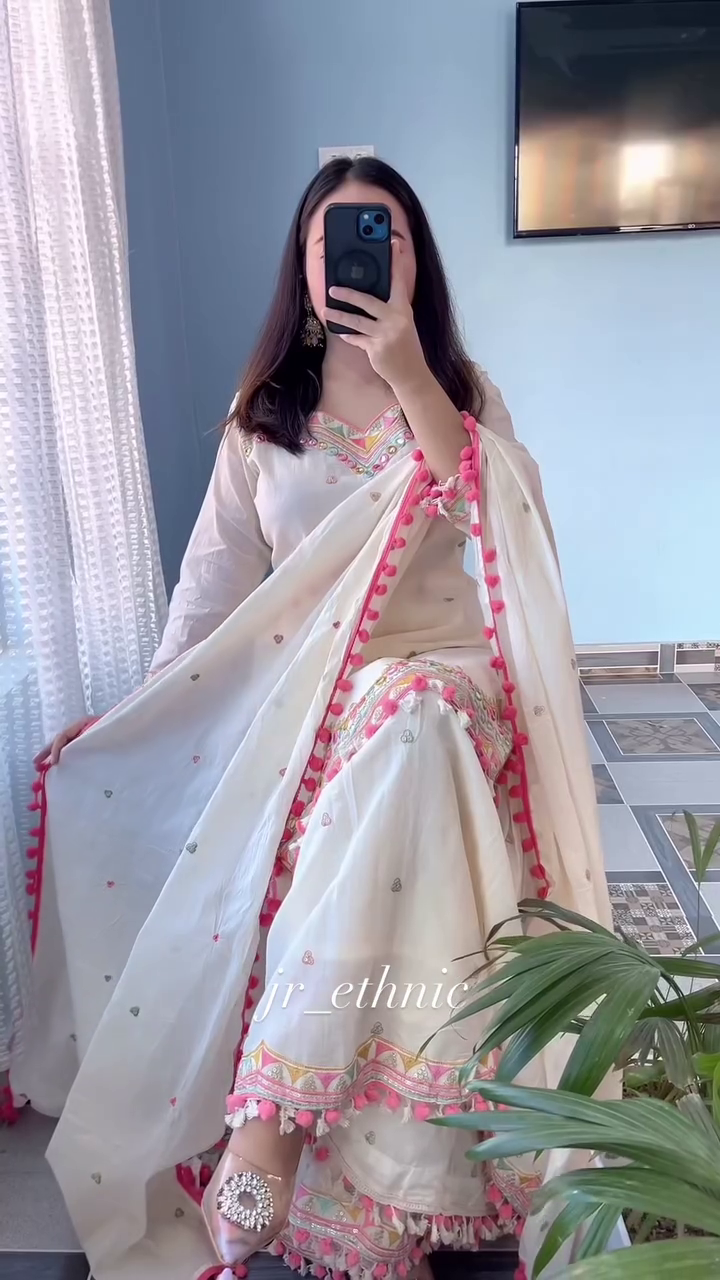

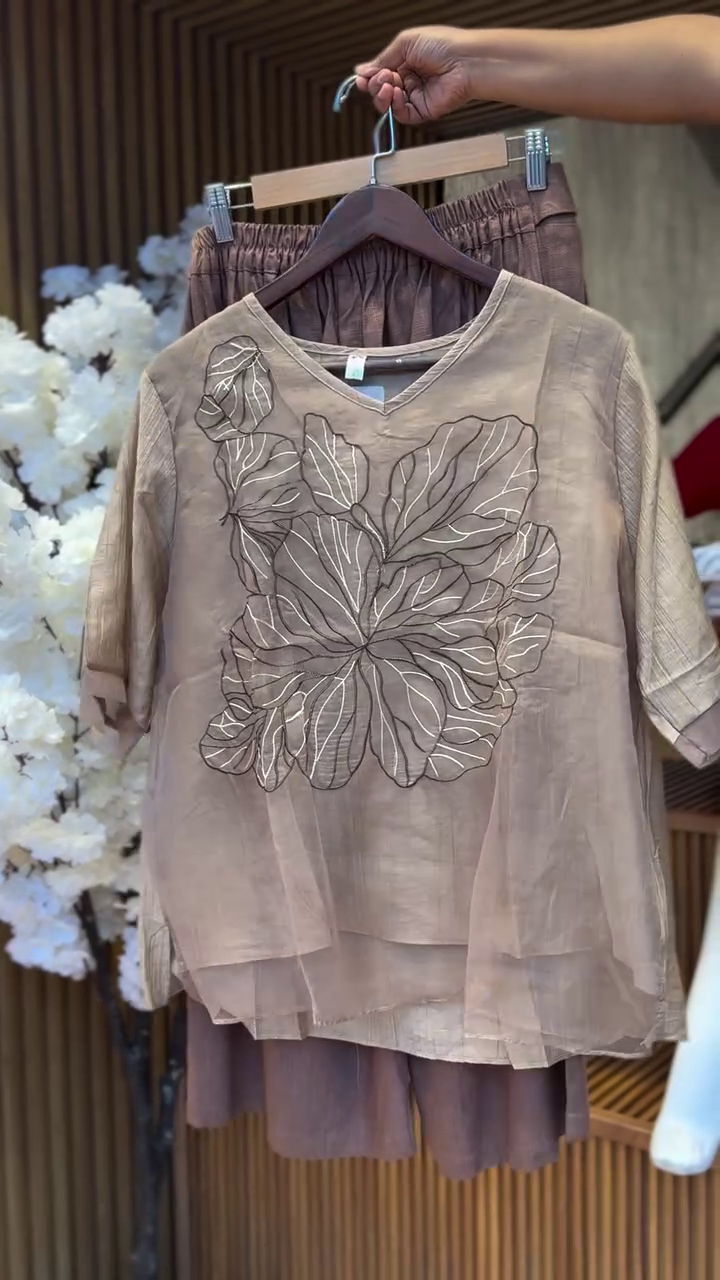
Finding the perfect women's dress can feel overwhelming with endless styles, colors, and silhouettes available in today's fashion market. Whether you're shopping for a casual day out, a professional work event, or a special occasion, choosing the right dress involves much more than simply picking something you like. The most flattering dress for you depends on three critical factors: your body type, your natural color tone, and the function or occasion for which you need it. This comprehensive guide will walk you through the process of selecting women's dresses that not only look stunning but also make you feel confident and comfortable. By understanding how to match your dress to your body shape, skin tone, and the event you're attending, you'll transform your wardrobe and make shopping more strategic and satisfying.
Understanding Your Body Type
The foundation of choosing the best women's dress according to your body type begins with honest self-assessment. Every body is unique and beautiful, and understanding your particular shape helps you select styles that enhance your natural features and create a flattering silhouette. Rather than comparing yourself to unrealistic standards, think of body type recognition as a practical tool for personal styling.
The Apple Body Shape
Women with an apple body shape typically carry weight around the midsection and bust, with slimmer legs and hips. When choosing women's dresses for this shape, look for styles that draw attention away from the middle and toward your best features.
- A-line dresses: These flare out from the waist downward, providing excellent coverage and creating a balanced silhouette
- Empire waist dresses: Positioned just below the bust, empire waists create definition and draw the eye upward
- Wrap dresses: These cinch at the side or create definition without hugging the midsection
- Vertical stripes: These create a lengthening effect and draw the eye vertically rather than horizontally across the torso
- Darker colors on top: Darker shades minimize the appearance of fuller areas
The Pear Body Shape
Pear-shaped bodies feature narrower shoulders and bust with fuller hips and thighs. The goal when selecting women's dresses is to balance proportions by adding volume to the upper body while skimming the lower body.
- Off-the-shoulder dresses: These emphasize shoulders and create width in the upper body
- Boat necklines: Wide necklines visually broaden the shoulders
- Peplum dresses: These add volume at the waist, helping balance wider hips
- Darker bottoms: Pair bright or patterned tops with darker skirts to minimize hip size
- Straight-leg or pencil styles on bottom: These skim rather than cling to the hips and thighs
The Hourglass Body Shape
Hourglass figures feature balanced proportions with a defined waist, fuller bust, and curvy hips. You're fortunate because many dress styles flatter this shape beautifully. Focus on styles that celebrate your curves while maintaining elegant balance.
- Fitted dresses: Tailored fits that follow your natural curves without being too tight
- Wrap dresses: These emphasize your defined waist and create an elegant, cohesive look
- Belted dresses: Cinching at the waist accentuates your natural proportions
- Ruched styles: Strategic ruching can enhance curves while providing subtle shaping
- Sweetheart necklines: These complement fuller busts beautifully
The Rectangle Body Shape
Rectangle-shaped bodies feature relatively even proportions throughout, with less definition at the waist. When choosing women's dresses, prioritize creating definition and visual interest through peplums, belts, and strategic layering.
- Peplum dresses: Add curves and visual interest to straighter silhouettes
- Belted dresses: Create a defined waistline where you might lack natural curves
- Ruffled or tiered skirts: Add dimension and movement to a straight frame
- Contrasting colors: Breaking up the solid silhouette creates visual sections and interest
- Textured fabrics: Patterns and textures add depth to a rectangular shape
Matching Dresses to Your Color Tone
Your natural color tone—determined by your skin, hair, and eye colors—significantly impacts how a dress color will look on you. Understanding whether you have warm, cool, or neutral undertones allows you to select women's dress colors that enhance your natural beauty and make your complexion glow.
Identifying Your Undertone
Before shopping for women's dresses, determine your undertone using these simple methods:
- Look at the veins on your inner wrist. Blue or purple veins typically indicate cool undertones, while green or olive veins suggest warm undertones
- Notice which metals flatter you most—silver and platinum suggest cool undertones, while gold and copper indicate warm undertones
- Consider how different colors make you feel. Cool undertones often look sallow in warm colors, while warm undertones may appear washed out in cool jewel tones
- Examine your natural hair color. Ash-toned hair suggests cool undertones, while golden-toned hair indicates warm undertones
Best Colors for Cool Undertones
If you have cool undertones, these women's dress colors will make you radiant:
- Jewel tones: Sapphire, emerald, amethyst, and ruby red create stunning contrast
- Cool pastels: Lavender, icy pink, pale blue, and cool mint look fresh and sophisticated
- Blacks and cool grays: These provide sleek, elegant options
- Wine and burgundy: These deeper, cooler reds are flattering and versatile
- Navy and true blue: These classics are particularly striking on cool-toned skin
- Cool magentas and purples: These bold choices work beautifully with cool undertones
Best Colors for Warm Undertones
Women with warm undertones look their best in these dress colors:
- Earth tones: Terracotta, olive, caramel, chocolate brown, and rust are universally flattering
- Warm pastels: Peach, warm cream, golden yellow, and warm coral enhance warm complexions
- Warm reds and oranges: True red, coral, and orange-red are striking on warm skin
- Gold and bronze tones: Warm metallics in dress embellishments complement warm undertones
- Warm yellows and golds: Mustard, gold, and honey tones are particularly flattering
- Warm greens: Olive, sage, and moss green look sophisticated on warm skin
Best Colors for Neutral Undertones
Lucky neutral-toned individuals can wear almost any color beautifully. However, these work particularly well for women's dresses:
- True primary colors: Pure red, blue, and yellow look balanced on neutral skin
- Both warm and cool metallics: Silver and gold both enhance neutral undertones
- Black, white, and gray: Neutral bases work for any undertone
- Mixed-tone patterns: Patterns combining warm and cool colors are flattering
- Both jewel and earth tones: Versatility means you can choose based on occasion and preference
Selecting Dresses Based on Function and Occasion
Beyond body type and color, the occasion or function for which you need a dress dramatically impacts your selection. The best women's dress for a beach wedding differs significantly from an office-appropriate option or casual weekend wear.
Professional and Office Dresses
Work environments demand dresses that project competence, sophistication, and professionalism. When choosing women's dresses for the office:
- Aim for knee length or just below: Appropriate hemlines are crucial in professional settings
- Select structured fabrics: These maintain their shape throughout the workday
- Choose modest necklines: High necklines, wrap styles, and classic rounds are professional choices
- Stick to neutral or muted colors: Navy, black, gray, and muted jewel tones are professional
- Consider layering options: Cardigans and blazers extend the versatility of your office dresses
- Avoid busy patterns: Subtle prints or solid colors maintain focus on your competence
Casual and Everyday Dresses
Casual dresses should be comfortable, approachable, and easy to style for daily wear. When selecting everyday women's dresses:
- Choose breathable fabrics: Cotton, linen, and cotton blends are comfortable for regular wear
- Consider maintenance: Fabrics that are easy to wash and don't require special care simplify daily life
- Select versatile lengths: Midi and knee-length options pair well with both flats and heels
- Embrace prints and colors: Fun patterns and bright colors make casual dresses more interesting
- Prioritize comfort: A dress you actually enjoy wearing gets worn more frequently
- Look for practical details: Pockets, practical waistbands, and durable construction matter for daily wear
Special Occasion and Evening Dresses
Formal and special occasion women's dresses represent opportunities to be more dramatic and bold in your choices. For these important events:
- Choose luxurious fabrics: Silk, satin, chiffon, and velvet create elegant impressions
- Consider the formality level: Black-tie events require floor-length gowns, while cocktail parties allow more flexibility
- Think about the venue: Beach weddings call for different styles than ballroom affairs
- Embrace embellishments: Beading, sequins, lace, and embroidery are appropriate for special occasions
- Play with dramatic colors: Deep jewel tones, metallics, and bold hues work beautifully for formal events
- Ensure proper fit: Special occasion dresses often benefit from tailoring to ensure a perfect fit
Active and Athletic Dresses
If you lead an active lifestyle, athletic-inspired women's dresses combine style with functionality:
- Choose moisture-wicking fabrics: Technical fabrics keep you dry during activity
- Look for built-in support: Built-in bras or structured bodices provide comfort during movement
- Select appropriate lengths: Tennis-style lengths prevent unnecessary movement
- Prioritize durability: Quality construction withstands frequent washing and activity
- Consider versatility: Athletic dresses that transition to casual wear offer better value
Seasonal Dresses
Seasonal considerations significantly impact which women's dresses work best for your climate and time of year:
- Summer dresses: Light fabrics, bright colors, and sleeveless or short-sleeved styles
- Spring dresses: Pastels, floral prints, and layerable options
- Fall dresses: Richer colors, long sleeves, and heavier fabrics
- Winter dresses: Long sleeves, thicker fabrics, and darker colors that pair with sweaters and coats
Shopping Tips for Finding Your Perfect Dress
Now that you understand body types, color tones, and occasion-appropriate styles, use these practical shopping strategies to find women's dresses that check all boxes:
Try Before You Buy
Always try on dresses when possible. How a dress looks on the hanger differs dramatically from how it fits your unique body. Take time to assess the fit in natural light, check movement and comfort, and ensure the dress aligns with your vision.
Consider Alterations
Proper tailoring transforms a good dress into a perfect one. Budget-friendly adjustments like hemming, taking in seams, or adding darts make significant differences in how a dress looks and feels on your specific body.
Build a Capsule Wardrobe
Rather than buying random dresses, develop a strategic capsule wardrobe with neutral basics and statement pieces that coordinate. This approach maximizes outfit combinations and ensures you always have appropriate options.
Pay Attention to Fabric Quality
Higher quality fabrics in women's dresses drape better, last longer, and feel more luxurious. Check fabric content, feel the material, and assess how well it wrinkles or holds its shape.
Don't Ignore Accessories
The right accessories can completely transform a dress. Shoes, belts, jewelry, and bags change how a dress looks and how you feel wearing it, so consider your full outfit when making selections.
Common Dress Shopping Mistakes to Avoid
Understanding what not to do is as important as knowing what to do when selecting women's dresses. Avoid these common pitfalls:
- Buying based on the model or hanger: A dress that looks perfect on a model with a different body type may not suit you
- Ignoring fit for size number: Vanity sizing means sizes vary widely—fit matters more than the number
- Selecting colors that don't flatter: An amazing style becomes unflattering in the wrong color for your undertone
- Overlooking occasion requirements: A gorgeous dress that's inappropriate for the event goes unworn
- Prioritizing trends over timelessness: A classic dress you'll wear for years beats a trendy option you'll tire of quickly
- Neglecting comfort: A dress that doesn't feel good won't get worn, regardless of how it looks
- Buying without considering your lifestyle: A dress requiring dry cleaning for every wear may not fit your realistic maintenance habits
How to Style Your Dress for Different Occasions
One women's dress becomes multiple outfits through strategic styling. Here's how to maximize your dress investments:
Transforming a Casual Dress to Business Casual
Add a structured blazer, swap casual shoes for professional heels, minimize jewelry, and opt for a professional bag to transition a casual dress to the office. These simple changes create an entirely different look appropriate for work.
Dressing Up a Simple Dress for Evening
Layer a simple dress with a statement jacket, add heeled shoes, incorporate statement jewelry, and carry an evening bag to elevate it for special events. Lighting, confidence, and accessories do much of the work.
Creating Seasonal Variations
Pair a sleeveless dress with long-sleeved tops for fall and winter. Add a light denim jacket for spring or a leather jacket for edge. These simple additions extend a dress's wearability across seasons.
Investment Pieces vs. Trendy Finds
Balance your dress wardrobe between timeless investment pieces and fun trendy options. Classic silhouettes in neutral colors form your wardrobe foundation, while trend-forward options add personality and keep your style fresh.
Investment dress qualities: Timeless silhouettes, neutral colors, exceptional fabric quality, and flattering fits for your body type.
Trendy dress qualities: Current colors and patterns, fashion-forward cuts, and seasonal relevance. These are perfect for lower price points since trends eventually fade.
Building Confidence in Your Dress Selections
The most important aspect of choosing women's dresses is how they make you feel. A technically perfect dress in your color and body type won't serve you well if it doesn't make you feel confident and beautiful. Trust your instincts, try on options freely, and remember that fashion rules are guidelines, not laws. Your personal style matters most.
Take time to understand what truly flatters you rather than following generic advice. What works for your friend might not work for you, and that's perfectly fine. The best women's dress for any occasion is one that makes you feel like the best version of yourself.
Conclusion
Choosing the best women's dress according to your body type, color tone, and the function or occasion requires thoughtful consideration but becomes easier with practice. By understanding your body shape, identifying your undertone, and matching your selections to the specific occasions where you'll wear them, you'll build a wardrobe of dresses that work together seamlessly and always make you look and feel amazing.
Remember that perfect dress selection isn't about complicated rules—it's about understanding yourself and making informed choices based on what actually flatters your unique body and complexion. Start with these guidelines, try different options, and gradually develop expertise in selecting dresses that work beautifully for your lifestyle. Whether you need professional work dresses, casual everyday options, or showstopping special occasion gowns, the principles outlined in this guide will help you make confident decisions that result in a functional, flattering, and personally satisfying wardrobe. Take your time, invest in quality basics, have fun with trendy options, and always prioritize how you feel wearing what you choose. Your ideal dress is waiting—use this guide to find it.