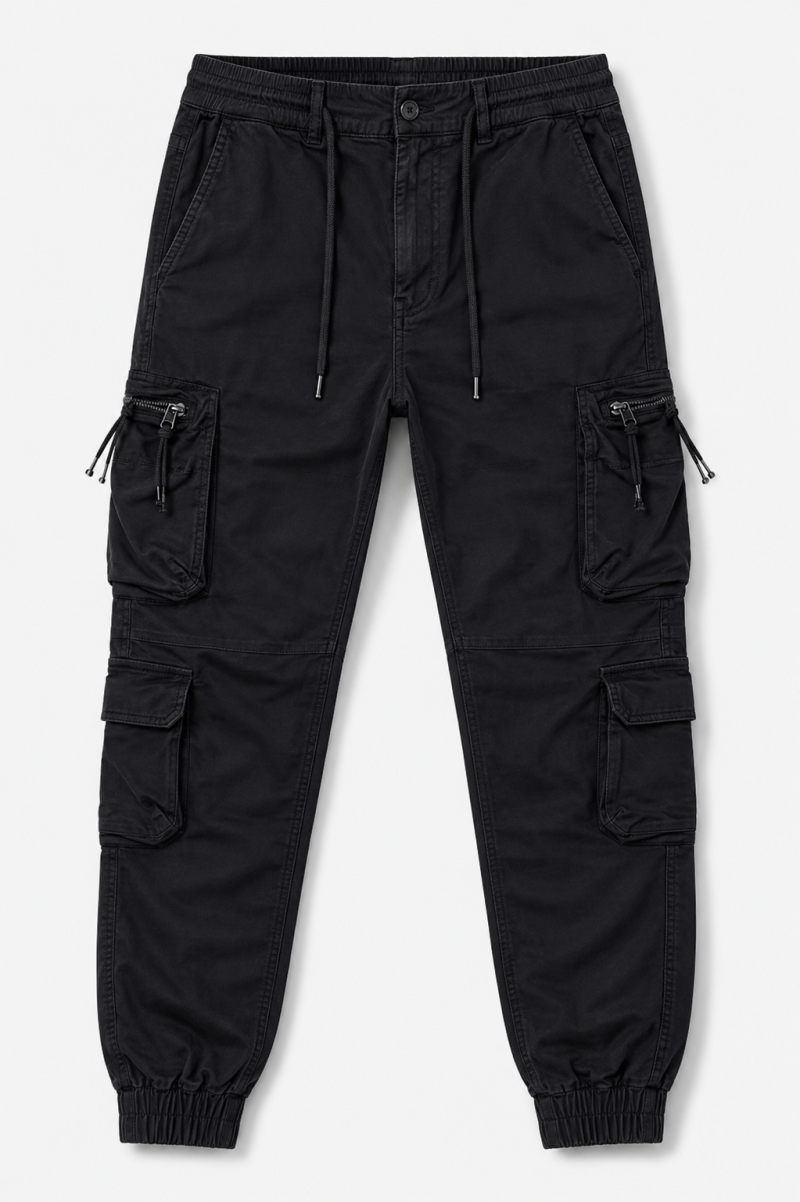
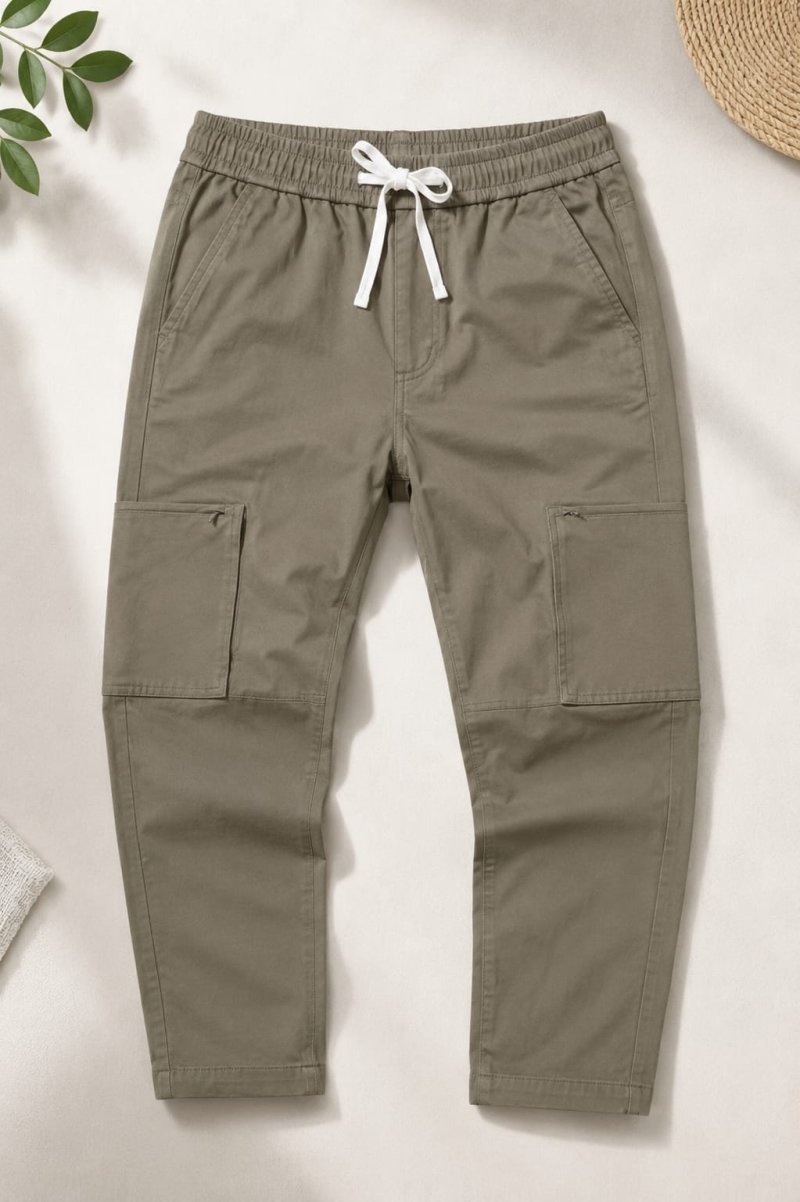
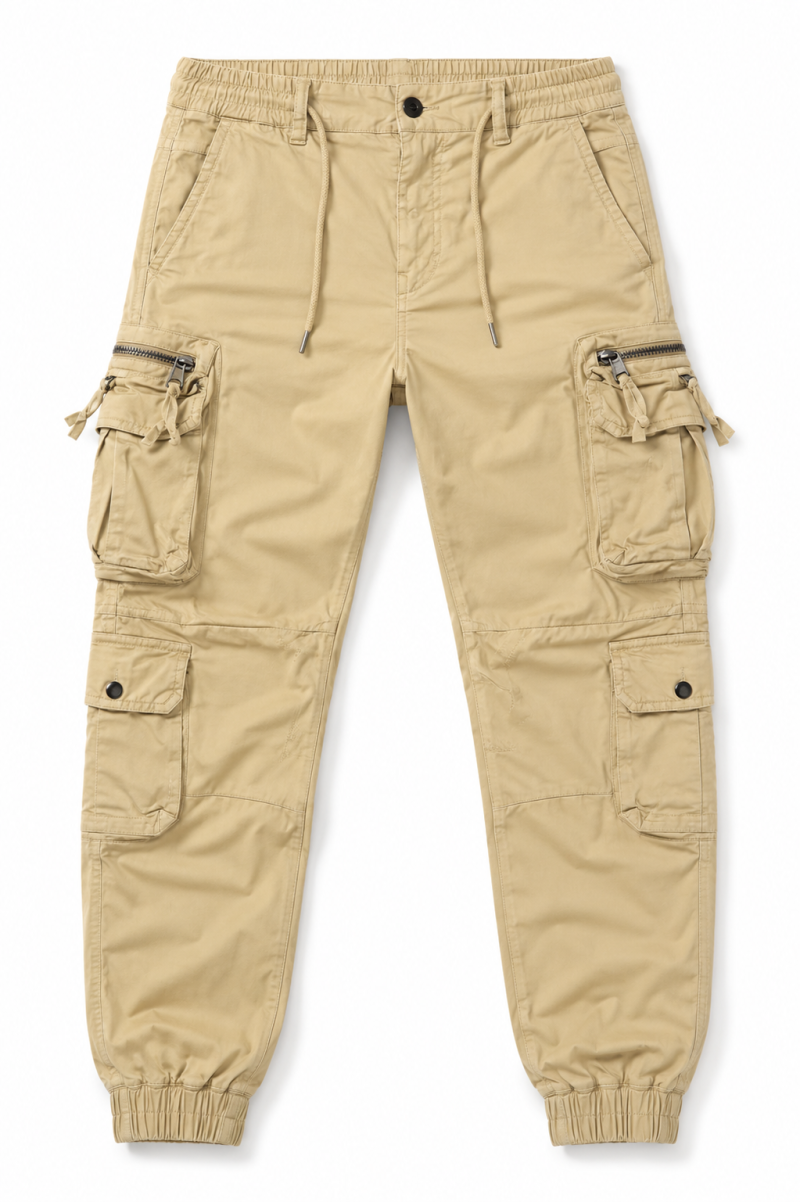
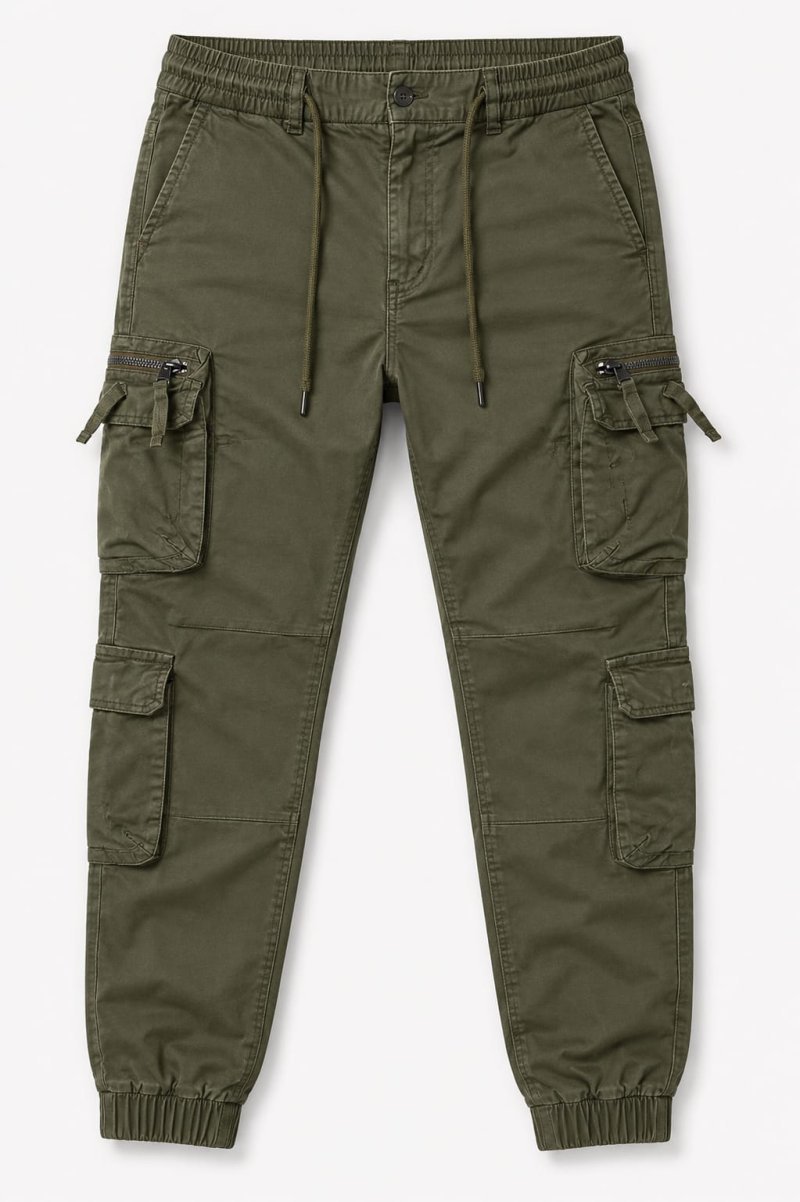
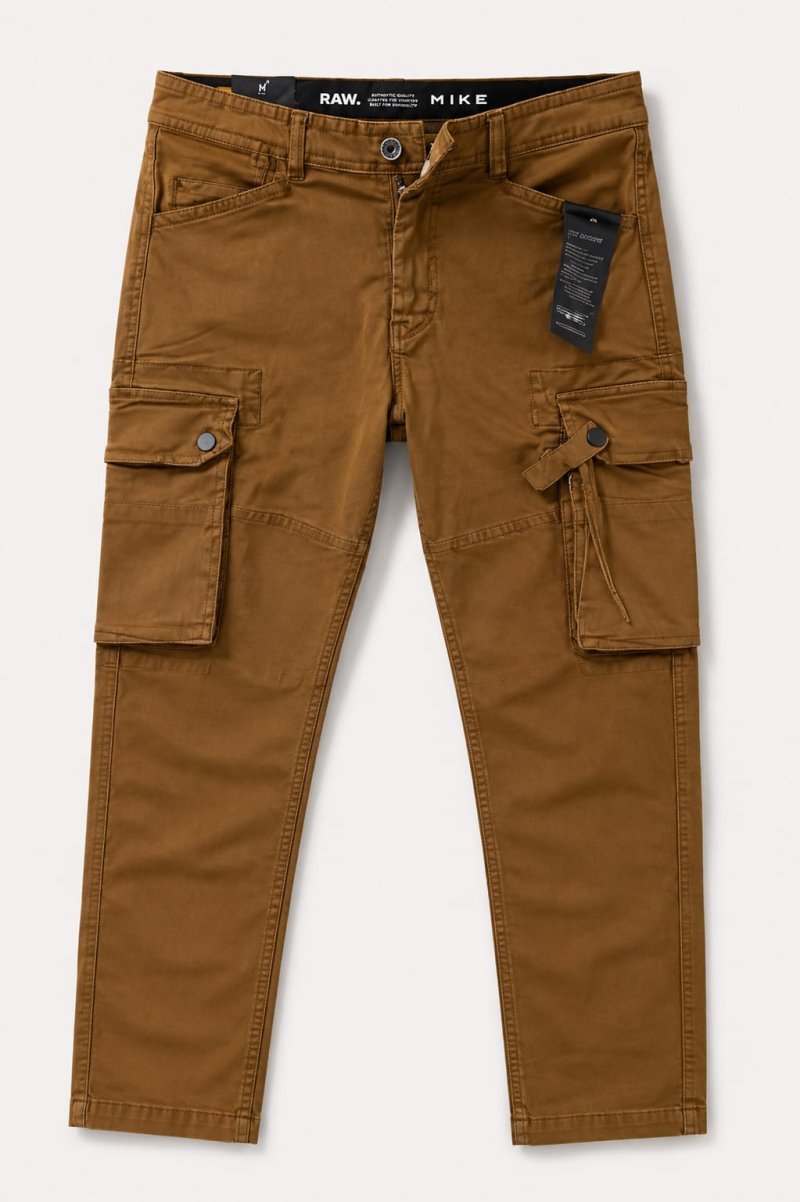
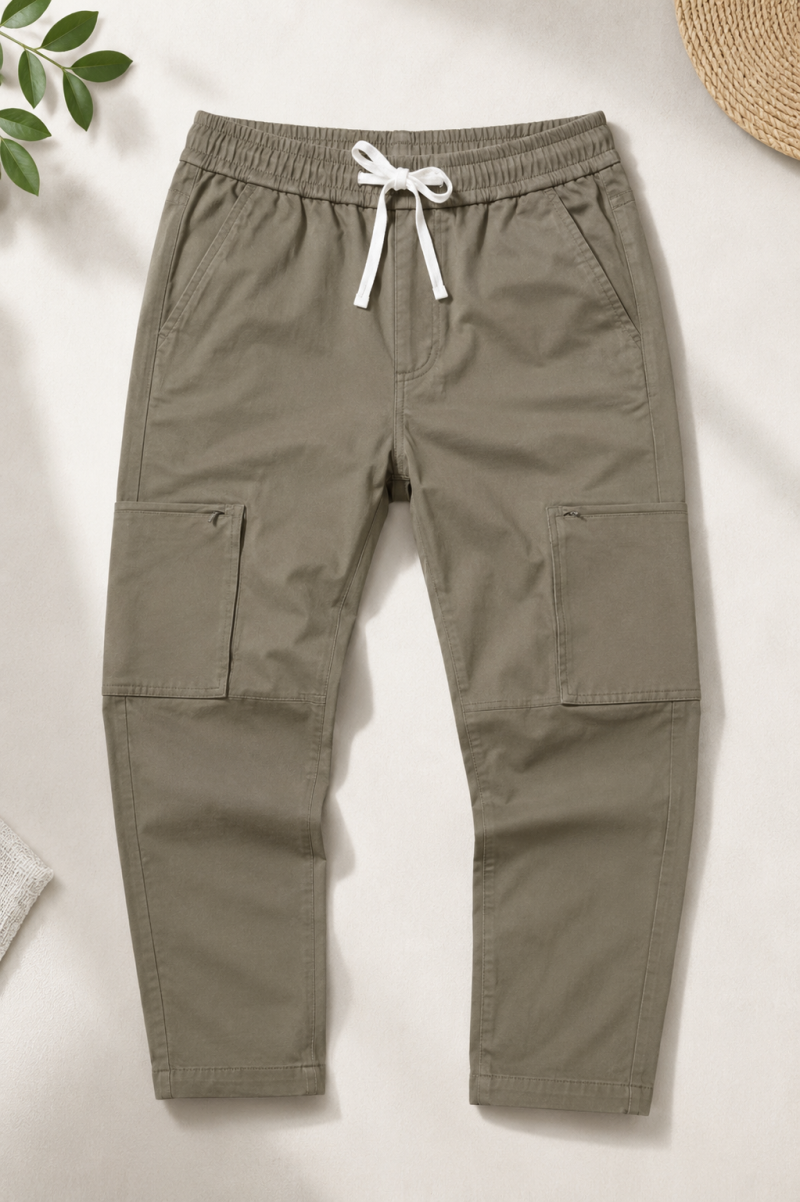


Choosing the right pair of men's pants can be a daunting task, especially when you need to consider how they'll work with your body type and complement your shirts. The perfect fit isn't just about comfort—it's about creating a cohesive, polished look that enhances your appearance and boosts your confidence. Whether you're shopping for casual wear, business attire, or everything in between, understanding how to select men's pants that match your body type and shirt color is essential for building a versatile and flattering wardrobe. In this comprehensive guide, we'll walk you through everything you need to know to make informed decisions about your pants purchases.
Understanding Your Body Type and Finding the Right Fit
The foundation of choosing the best men's pants begins with understanding your body type. Men come in various shapes and sizes, and what works for one person might not work for another. This is why it's crucial to identify your body type before making any purchase.
The Athletic Build
If you have a muscular, athletic body with well-developed shoulders and thighs, you'll want to focus on men's pants that accommodate broader thighs without appearing baggy. Look for pants with a slight taper that helps define your leg while providing enough room where you need it. Straight-leg or slim-fit pants work particularly well for athletic builds. The key is finding a balance between comfort and style—you don't want pants so tight they restrict movement, but you also want them to highlight your physique rather than hide it.
The Slim Build
Men with slimmer frames can experiment with a wider variety of styles. Straight-leg pants, slim-fit, and even slightly tapered cuts look great on slender bodies. The advantage of a slim build is that men's pants in various styles tend to drape well without excess fabric. However, avoid oversized or baggy cuts, as these can make you appear smaller than you are. Instead, opt for well-fitted pants that follow your natural contours.
The Larger Build
For men with a larger body type, the goal is to find pants that provide comfort without emphasizing width. Straight-leg or classic-cut pants tend to be the most flattering option. Look for pants with a higher rise and adequate waistband support. Avoid skinny jeans or excessively tapered pants, as these can create an unflattering silhouette. Instead, choose men's pants with a moderate taper that balances proportion and creates a streamlined appearance.
The Average Build
Men with average builds have the most flexibility when it comes to choosing pants. You can comfortably wear slim-fit, straight-leg, or tapered styles. The key is ensuring the pants hit at the correct length and that the waist is comfortable without excess bunching.
The Importance of Proper Fit and Measurements
Regardless of your body type, proper measurements are essential when selecting men's pants that fit correctly. Here are the key measurements to consider:
- Waist: Measure around your natural waist with a soft measuring tape. This should be snug but not tight.
- Inseam: This is the most critical measurement for pants length. Measure from the inside of your thigh down to your ankle. Your pants should break slightly on your shoe—not too short and not pooling on the floor.
- Thigh width: Measure around the fullest part of your thigh to ensure adequate room for comfort and movement.
- Knee width: This measurement helps determine the correct taper and ensures the pants won't feel too tight or too loose around the knee.
- Opening width: Measure the width of the pant leg opening at the bottom. This affects how the pants will look when worn with different shoe styles.
Matching Men's Pants with Shirt Colors: A Complete Color Guide
Once you've found pants that fit your body perfectly, the next crucial step is choosing men's pants colors that coordinate with your shirt colors. Color coordination is what separates a good outfit from a great outfit.
Navy Pants: The Universal Option
Navy blue pants are one of the most versatile options in any man's wardrobe. They pair beautifully with nearly every shirt color imaginable. For the most professional look, combine navy pants with white, light blue, or burgundy shirts. Navy also works well with patterned shirts, making it an excellent choice when you want to let your top stand out. The versatility of navy pants makes them an investment piece that will serve you well across casual and formal settings.
Charcoal or Dark Gray Pants
Dark gray or charcoal pants offer similar versatility to navy but with a slightly different aesthetic. These men's pants colors work exceptionally well with pastel shirts, creating a softer, more contemporary look. Pair them with light pink, mint green, or pale yellow shirts for a modern appearance. Dark gray also coordinates beautifully with white, black, and deep jewel tones. The neutrality of charcoal makes it incredibly easy to build outfits around these pants.
Light Gray or Khaki Pants
Lighter neutral pants offer more casual versatility. Khaki and light gray pants pair wonderfully with bold-colored shirts, including bright blues, deep reds, and even printed patterns. These pants work particularly well in summer settings and business-casual environments. When wearing light neutral pants, avoid wearing overly light-colored shirts that match too closely, as this can wash you out. Instead, opt for shirts with more visual interest or depth of color.
Black Pants: The Formal and Versatile Choice
Black pants are the go-to option for formal events and professional settings. However, they're also increasingly acceptable in casual environments. Black men's pants pair best with crisp white shirts for formal occasions, but they also look sharp with virtually any other color. Black creates strong contrast and is particularly flattering for men looking to appear slimmer.
Colored Pants: Adding Personality
Beyond neutrals, colored pants can add personality to your wardrobe. Consider these combinations:
- Burgundy or wine-colored pants: Pair with white, cream, or light blue shirts for a sophisticated look
- Olive green pants: Work well with neutral shirts like white, beige, or gray
- Brown or tan pants: Complement earth-tone shirts and jewel-toned options
- Blue (non-navy) pants: Pair with neutral or complementary colored shirts
Coordinating Shirt Colors with Different Pant Styles
White Shirts with Different Pant Colors
A white shirt is the most versatile piece in any wardrobe, and it pairs beautifully with nearly any pant color. However, matching men's pants colors with white shirts requires attention to creating visual interest. Pair white with navy, charcoal, black, or any deeper tone to create professional contrast. White also works with lighter pants if you're going for a monochromatic look, though this requires confidence and skill in styling.
Light Blue Shirts and Pant Selection
Light blue shirts call for darker pants to create visual balance. Navy, charcoal, black, or medium gray pants work exceptionally well. The cooler tone of light blue naturally complements cooler-toned pants. Avoid pairing light blue with very light pants, as the result can appear washed out and unprofessional.
Bold and Patterned Shirts
When wearing bold colors or patterns, neutral men's pants are your best bet. Navy, gray, black, or khaki provide a stable base that allows patterned or brightly colored shirts to take center stage. This approach ensures your outfit looks balanced and intentional rather than chaotic.
Dark-Colored Shirts
Dark red, burgundy, or deep purple shirts look sophisticated when paired with lighter or neutral pants. Navy and charcoal work, but so do lighter options like khaki or light gray, which create interesting contrast and prevent an all-dark appearance.
Fabric and Season Considerations
Beyond fit and color, choosing the right men's pants also involves considering fabric and seasonal appropriateness.
Summer Fabrics and Colors
In warmer months, opt for lightweight fabrics like cotton, linen blends, or lightweight chinos. Lighter colors like khaki, light gray, cream, and lighter shades work better for summer as they reflect heat. These men's pants in lighter colors also pair beautifully with summer shirt colors like pastels, whites, and lighter blues.
Winter Fabrics and Colors
Winter calls for heavier fabrics like wool blends, denim, and structured cotton. Darker colors like navy, charcoal, black, and deep gray are appropriate for colder months and work well with heavier, darker shirts and sweaters.
Style Considerations for Different Settings
Business Professional
In formal business settings, stick with men's pants in neutral colors like navy, charcoal, black, or gray. These should be well-tailored and paired with button-up shirts in white, light blue, or subtle patterns. Opt for flat-front pants in professional environments, as pleated fronts can add bulk.
Business Casual
Business casual offers more flexibility. Khaki, light gray, navy, and charcoal all work well. Pair these with polo shirts, casual button-ups, or even subtle sweaters. Men's pants in business casual should still be well-fitted but can offer slightly more style variation.
Casual Settings
For casual wear, you have maximum freedom. Colored pants, patterns, and various styles all become acceptable. Focus on coordinating your pants with your shirt while ensuring both fit your body type properly.
Common Mistakes to Avoid When Choosing Men's Pants
Understanding what not to do is just as important as knowing what to do when selecting men's pants that work with your body and shirt colors.
- Ignoring inseam measurements: This is the most common mistake, resulting in pants that are too long or too short
- Choosing based on size alone: A size 32 from one brand may fit differently than a size 32 from another
- Over-tapering: While tapered pants are stylish, excessive tapering can look dated and uncomfortable
- Neglecting color coordination: Ignoring shirt color harmony can result in clashing outfits
- Settling for poor quality: Investing in quality fabrics and construction ensures longevity and better appearance
- Forgetting about lifestyle: Your pants should work with your daily activities and environment
- Ignoring personal coloring: Some colors naturally complement your skin tone better than others
How to Try on Pants Properly
When trying on men's pants, follow these steps to ensure proper fit:
- Wear the same type of shoes and socks you'll typically wear with the pants
- Stand straight and check that the waistband sits comfortably at your natural waist
- Ensure there's no significant bunching or excess fabric in the seat or thighs
- Verify the inseam breaks slightly on your shoe—about half an inch
- Sit down to ensure comfort and that the pants don't ride up excessively
- Check that the taper doesn't create unnecessary tension around your calves or ankles
- Move around to ensure adequate range of motion
Building a Complete Pants Wardrobe
Rather than buying randomly, consider building a strategic wardrobe. For most men, having three to five key men's pants in neutral colors forms the foundation of a functional wardrobe. A recommended starting point includes:
- One pair of navy pants
- One pair of charcoal or dark gray pants
- One pair of khaki or light gray pants
- One pair of black pants for formal occasions
- One pair of jeans for casual wear
From this foundation, you can add colored or patterned options based on your personal style and lifestyle needs.
Conclusion
Choosing the best men's pants according to your body type and shirt color is both an art and a science. It requires understanding your unique body proportions, knowing which colors complement your wardrobe and skin tone, and investing in quality pieces that fit properly. By following the guidelines in this comprehensive guide, you'll be able to make informed decisions about your pants purchases and build a versatile wardrobe that looks polished and intentional. Remember that the best men's pants are ones that fit well, coordinate with your shirts, and make you feel confident. Take time to try on options, measure accurately, and invest in quality—your appearance and self-assurance will thank you. With the right approach to selecting men's pants, you'll create a foundation for countless stylish outfits that work for every occasion in your life.